
In 1957, the then British Prime Minister Harold Macmillan famously asserted that “most of our people have never had it so good;” an oft-quoted claim that very much captured the spirit of the times. In the twenty years or so following the end of the Second World War, the average Briton witnessed a substantial growth in their real earnings, which went up by an estimated 50% from 1951 to 1964, and would continue to climb until the end of the 1960s.

Vittorio Trevitt looks at Britain’s affluent society.
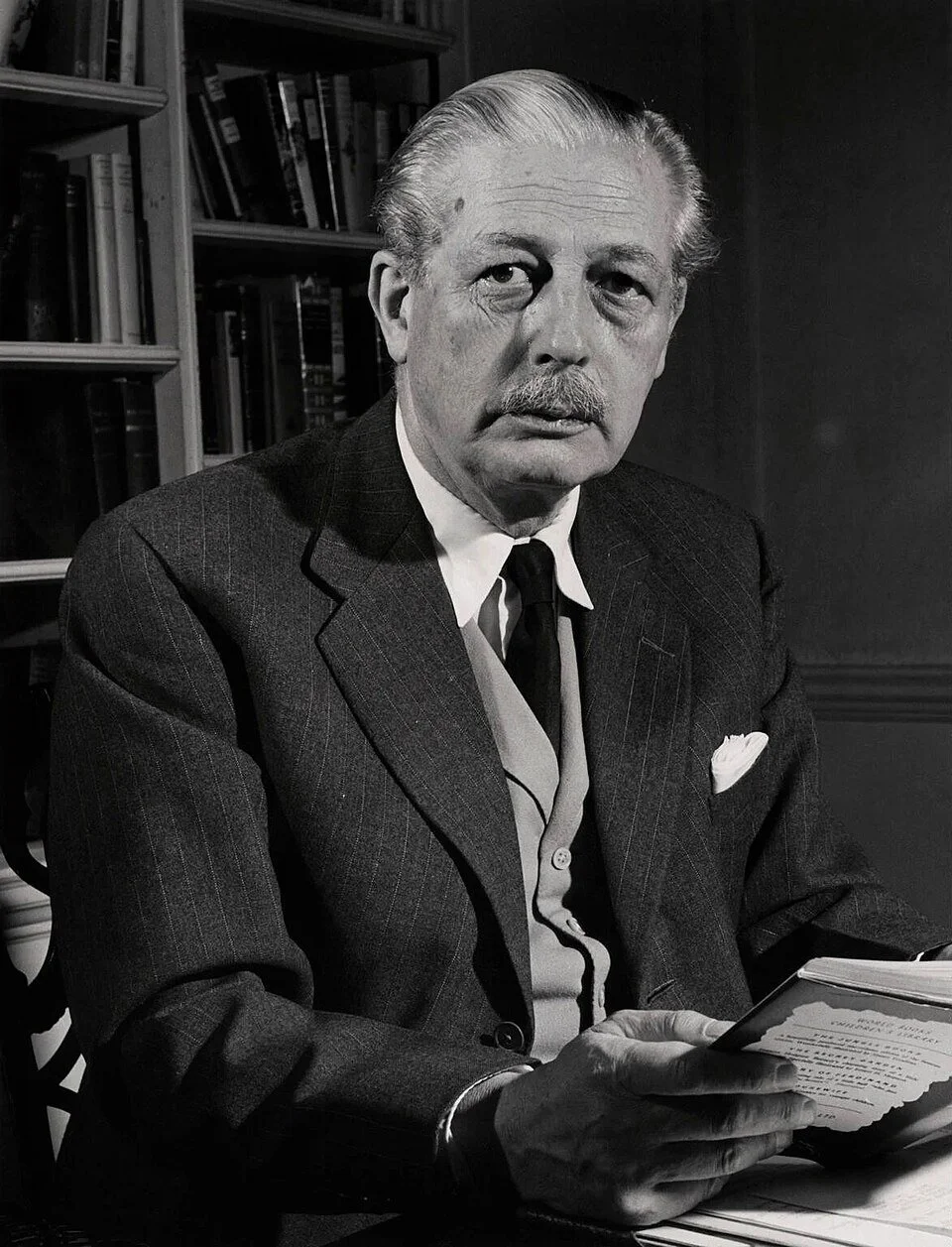
British Prime Minister Harold Macmillan in 1959.

The post-war boom in Britain translated into a steady rise in consumer expenditure and widespread penetration of leisurely items such as record players, transistor radios, and TV sets. Although consumer products could not always be acquired or purchased outright, with facilities like hire purchase and mail order catalogues enabling buyers to spread the cost over a period of time, this was definitely something new. For the first time, most Britons came to acquire a level of spending power high enough to obtain a wide range of home comforts; something that ordinary people in previous decades could only dream of. To some extent, it was a sign that the hardships and sacrifices of the war years had given way to a happier, brighter tomorrow.

Britons came to have more time for recreation, helped by an extension of paid leave and reductions in working hours for an increasing percentage of the workforce, with more people embracing the opportunity to take holidays outside their home environment; whether on camping sites or on overseas excursions. Although a visit to the seaside was the most common form of holiday, as it had been for years, more and more people went abroad for their holidays; the number taking this opportunity going up sevenfold during the Fifties and Sixties and the amount spent on such trips more than tripling. Greater wealth also meant that there was greater propensity for households to save, with savings as a percentage of disposable income rising more than twofold over the course of those two decades. Aware of this trend, the government introduced in 1956 a novel savings scheme known as Premium Bonds.  More than four in ten Britons would come to own bonds of their own, which was a development arguably attributable to holders being offered the chance to win cash prizes; a popular incentive for purchasing these bonds.


Signs of affluence

Much of the new consumerism was embraced by teenagers, whose personal wealth enabled them to spend their spare cash on items like fashion, personal transport, and records (with 85.5 million LPs sold alone in 1963) and at meeting places like coffee bars, cafés and dance halls, with 5 million people attending the latter weekly by the early Sixties; a 40% increase since 1951. As a sign of the changing times, an increasing proportion participated in sporting activities once solely the preserve of the elite, such as mountain climbing and skiing. Children tasted the fruits of growing consumer prosperity, with yearly expenditure on average children for entertainment reaching just over an estimated (in contemporary money) £415 by 1956, with toys making up a third of this sum. Women were also beneficiaries of the consumer boom, with their daily lives made easier by the spread of appliances like fridges, washing machines and vacuum cleaners, while people in general devoted more time to the comfort and appearance of their residence, such as through gardening and decorating. One symbol of affluence, the automobile, also came within the reach of an increasing number of homes. At the start of the Fifties, less than a fifth of households had a car, but by 1970 the majority had at least one.

The new prosperity was supported by government policy, as exemplified by cuts in taxation, the liberalisation of credit, and (symbolically for a nation that had lived with it for so long) the abolition of rationing. In addition, more opportunities became available for workers to switch to more preferable occupations, while both price rises and the rate of joblessness were kept to a minimum; adding to a sense of general wellbeing. The more prosperous economic climate led to a decline in the reliance on traditional forms of credit like ‘tick’ by corner shops and transactions with pawnshops; institutions that had previously flourished during the Nineteenth Century. In a diary extract from April 1969, the (then) social security minister Richard Crossman reflected on the spread of mass prosperity since the Forties, arguing that Britain had transformed itself “into a place where the majority are well off and the minority are poor.”


Global trend

Britain’s rise to mass affluence was not unique, however. It was, in fact, part of a wider global trend. Across the developed world, nations like Norway, France, and Germany witnessed considerable increases in personal incomes, which was accompanied (like the UK) by a growth in the percentage of households equipped with consumer durables. Developing nations like Venezuela witnessed a growth in the size of their consumerist middle classes, while the far-eastern states of Singapore, South Korea, Taiwan and Hong Kong experienced a period of strong economic growth that would earn them the moniker of the “Asian Tigers.” Similar to South Korea’s authoritarian neighbour North Korea and most contemporary African nations like Comoros and the Central African Republic, these four states at mid-century lagged far behind their Western counterparts in terms of social and economic development. But by the end of the Nineties high growth rates, supported by investments in education and industrial development, culminated in a huge improvement in the quality of life of ordinary people, who obtained a degree of material affluence comparable to that long enjoyed by most of their counterparts in the British Isles.

Despite these positive trends, poverty (like today), remained a tragic reality for many. One only needs to see the pictures of slum housing during the Fifties and Sixties, together with stories of low earnings and households lacking the money to afford essentials like new clothes (such as children’s shoes), adequate heating and a good diet, to be aware of this. In 1966, it was estimated that nearly one in five of all householders lived (as noted by one journal) “below any current definition of subsistence.” Also, at the time of Macmillan’s statement, it was hard to describe most Britons as having attained affluence by then, given the fact that earnings for the majority of people did not enable participation in the fruits of what was described as the “Affluent Society.” Regional inequalities (which had long been a negative feature of the British economy) continued to persist, with some parts of the country benefiting more from post-war prosperity than others. Britain also fell behind several Western European nations in terms of individual income growth, with the purchasing power of wages in the European Economic Community (the predecessor of the EU) rising by 35% more than the UK from 1958 to 1969.

It is also worth remembering that living standards today are generally higher. The ownership of televisions and central heating is now practically universal, whereas at the dawn of the Seventies the former was mostly rented by those who had one while the latter was still a luxury, with most households relying on other means at different times of the day like coal fires, paraffin heaters, hot water bottles and multiple blankets to stay warm. Households have also come to enjoy a multitude of new gadgets for education, health and entertainment, including video games, personal computers, and mobile apps, while streaming services have provided people with a far greater choice of programming than ever before. Similarly, the telephone, an item that comes in many forms today, was something that only existed in a minority of homesduring the Sixties, with most people using public phone boxes for making calls.


Conclusion

None of this negates, however, the tremendous rise in living standards following the return of peace in Europe. By the end of the Sixties, most Britons had attained an affluent lifestyle; one that has only continued to improve to the present day with the accumulation of new and better items and overseas travel now the norm rather than the exception as had been the case for the average Briton growing up in the two decades after VE Day. While post-war affluence remained out of reach for millions of Britons, it nevertheless became a positive reality for most. At a time when many are concerned about the current state of the economy, the emergence of the post-war affluent society is a period of British history worth celebrating and remembering.


The site has been offering a wide variety of high-quality, free history content since 2012. If you’d like to say ‘thank you’ and help us with site running costs, please consider donating here.

Britain’s health has changed throughout history and what was considered healthy in the past has been proven to be unhealthy today. Some stark examples are that the average life expectancy at a time in nineteenth century Britain for wealthy adults was around 45, while this was lower in the poorer classes, and the percentage of children reaching the age of 5 was much lower in the 19th century than now.

Amy Chandler explains looks at how health and diet has evolved over time.

Sir William Beveridge in 1943.

In society today, individuals are able to take control of their health, if they wish, through the development of apps and trackers that monitor health and lifestyle. The World Health Organisation (WHO) states “social factors, including education, employment status, income level, gender and ethnicity have a marked influence on how healthy a person is”. (1) While the development and innovation of the National Health Service (NHS) in Britain has offered opportunities of free and equal access to medical services, the strain on the economy still limits the capabilities and progress of creating accessible medical treatment for all in Britain. The NHS celebrated 75 years this July and despite the innovations of the health service, the need for funding, treatment and staff equality, limits the good that the service can provide in Britain. This article explores the social, political and economic changes that impacted Britain’s health throughout the nineteenth and early twentieth century to the emergence of the NHS.

Diets, health and lifestyle

The industrial revolution between the years 1760 to 1840 created a boom in industry and manual labour employment in major cities such as Manchester, Liverpool and London. This industrial revolution increased social mobility into the cities and a rise of poverty and disease for the working classes. Despite the rise of infectious diseases and poor living and working conditions, the diet of the working class was not as unhealthy as historians once believed. Those who worked in manual employment, such as factories and docks, were constantly active and needed to consume more calories to sustain themselves during long working hours. The majority of the poorer classes ate food that was in season such as fruits, vegetables and less fatty meats. In comparison, wealthy classes weren’t as active and had access to an abundance of food, alcohol and sugary sweets causing rotten teeth and gout.

For the poor, food supplies were uncertain, basic in diet and didn’t provide the nutrients for a healthy body creating a prevalence of malnourished adults and children. Few had access to personal ovens and relied on open-fires, buying hot food out or eating cold meals. There was limited access to cooking utensils, with many households only using one pot for their cooking. This meant that the access and availability of hot food was scarce or expensive.(2) Many relied on buying off-cut pieces of meat that were rotting or poor quality, and these meals were small and far between. The upper classes indulged in dinners with several courses and had access to the freshest qualities of meat. Usually, household cooks would order their meats, fish, vegetables and other ingredients on the day that they were needed to ensure fresh meals, whereas the poor did not have access to the same expensive food. Furthermore, the overindulgence of rich and decadent food created a rise in obesity amongst the men of the upper class. The obese, rich male figure was seen as a symbol of high status and a display of their wealth because they could afford an abundance of sweet and fatty foods. Wealthy women were not usually obese due to the beauty standards of society, where women wore tight corsets and were expected to be fragile and thin. In modern society, the rise and health implications of obesity are impacting on the NHS.

The British Empire increased the transportation and access to many new foods, sugars and a variety of ingredients such as canned fruits and condensed meat. These new foods became widely available and impacted the health of all classes in Britain. Sugar and fatty foods were only previously available to the wealthy, who could afford the price. (3) The rise in consumption of sugar caused damage to the nation’s teeth and a frequent dental complaint reported by 1900 was the inability to chew tough foods, nuts, vegetables and fruits. The fall in nutritional standards impacted future generations, especially during times of army conscription. Furthermore, the living conditions in poverty-stricken areas created a decline in health with poor sanitary conditions, unclean drinking water and the lack of sunlight in urban slums creating a Vitamin D deficiency. The slums had dense, thick fog as a result of pollution and poor air quality, cramped, filled with rubbish, unsanitary living conditions and contaminated drinking water. These areas were also subjected to communicable diseases such as tuberculosis (TB), cholera and smallpox, to name a few. This also created a large gap between the health of the poor and the wealthy. The wealthy were not immune to these illnesses, but were less susceptible to dying of consumption or poor living conditions, but were more likely to suffer heart attacks from their rich and fatty diets. Therefore, the lives of the working class are considered healthier in terms of fitness levels, eating less fatty and sugary foods, but on the flipside many lived in unsanitary housing, likely to become unwell from the spread of fatal diseases in crowded areas and many could not access medical care.

London’s pollution also contributed to a number of respiratory health conditions coupled with the turn of the century popularity of smoking. The rise of smoking in the 1880s with the growth of industrial cigarette production created accessibility to cigarettes. The preference to using snuff declined and was replaced with cigarettes which was only encouraged during the first and second world war when soldiers were sent cigarettes in their rations. The commercialisation of smoking was seen as a good habit for people and was most commonly used by King George VI to overcome his stutter. The lack of medical knowledge on cancers and what caused these diseases meant that many became addicted to smoking without knowing or understanding the impact on their health. It is only in recent history that the UK government has attempted to tackle smoking in the population, with their strategic plan towards a ‘smoke-free generation’ in England.

The formation of the NHS

After the devastating impact of the Second World War, the health of the nation was deteriorating with rationing, war injuries and the economic burden of the war effort. These factors emphasised the long-term need for a strategy to strengthen the country. The British government needed to find a solution to improve the nation’s health, strengthen the economy and navigate post-war life. In December 1942, Sir William Beveridge compiled a report, Social Insurance and Allied Services, on the health of the nation. Beveridge’s report identified the five evils that permeated society; disease, want, ignorance, squalor and idleness.(4)  In a Parliamentary debate in 1944, Members of Parliament (MPs) suggested the NHS would be a “comprehensive and unified health service for the people”, which is part of a “process of reshaping the background of individual life” in Britain. (5) The NHS was seen as a “counter-process to all the destructiveness of war”. (5)

Throughout history, class and wealth defined people’s health, diet, lifestyle and quality of life and these differences were a continual reminder of social hierarchy. However, war was an equaliser that did not discriminate. Every member of society was impacted from conscription, bombing raids and the emotional and physical scars of war. Arguably those with money could live comfortably and safely, but everyone was equal with a collective desire for the war to end. Services that offered medical treatment like charities were fragmented and not unified. Therefore, there was a sense of openness to the idea of a national health service that was for the many not the few, however there was still opposition to a free health service. As stated in a Parliamentary debate, the service was “no scheme [designed] for giving charity to individuals or state help to particular classes or groups” and it “does not concern itself with poverty or wealth.” (5) This was a scheme that aimed at raising the nation’s health to a “higher plane and keep it there.” (5) This was a step towards equality in post-war Britain under the Welfare State. Under the umbrella of the Welfare State, each member of society was expected to pay a contributory amount of money as National Insurance. (4) The reason that Beveridge insisted on National Insurance was to ensure that the NHS did not damage an individual’s sense of pride, independence and personal responsibility. (4) The NHS created a sense of accountability for one’s health and offered the opportunity for those in poverty to better themselves.

The NHS was officially formed in July 1948 and 75 years later, the NHS is still providing a variety of care and treatment to the public. However, the nation’s health is not where it could be, the COVID-19 pandemic placed a strain on public health services and was economically struggling. NHS workers are striking for better pay and working conditions, while patients are placed on waiting list months in advance. Health issues such as smoking, obesity and mental health are areas that still need improvement, coupled with the changes in lifestyle. Many people work remotely and are not commuting in the same way causing a change in routine and in some cases causing a negative impact on their health. The introduction of the NHS in 1948 was a massive step forward in improving the nation’s health that came after education and housing reforms that cleared the slum areas, that were bombed heavily during the blitz.  Since 1948, many have benefitted from the treatment, care and expertise of health care professionals.

Conclusion

The perception of health has changed throughout history and one treatment that was once seen as effective is now seen as poisonous or ineffective. Illness was prevalent in all areas of society but the type of diseases differed depending on the living conditions, diet, lifestyle and access. What was once seen as healthy, such as smoking is now widely acknowledged as severely damaging to health and quality of life. The advancement in technology in identifying risks to increasing disease and health implications is far greater than in the past. The formation of the NHS was a changing point for Britain’s health and the desire to offer medical treatment to all classes of society in a bid for health equality. Historians often present the poor and working classes as malnourished and in poor health, however in the modern standards exercise and eating less sugar is seen as ideal and due to their lack of accessibility to fatty foods and sugar they were less susceptible to high cholesterol and other illnesses. The health and lifestyle of the working class should not be romanticised as a healthy way to live, as they were far from healthy. A digital age has allowed for more accountability, responsibility and opportunity to take our health into our own hands through fitness apps, healthy recipe boxes and ways to monitor our bodies through forms of artificial intelligence (AI). Progress is still slow in solving major health issues such as cancer, but the rise of technology can provide new ways of treating, curing and progressing our health.

What do you think of Britain’s health over time? Let us know below.

Now read Amy’s article on the history of medicine at sea here.

References

  1. WHO, ‘Health inequities and their causes’, 22 February 2018, World Health Organisation, Available at < https://www.who.int/news-room/facts-in-pictures/detail/health-inequities-and-their-causes > [accessed 27 July 2023].

  2. A. Whol, ‘What the Poor ate’, July 2022, VictorianWeb, Available at <        https://victorianweb.org/science/health/health8.html >[accessed 27 July 2023].

  3. P. Clayton., and J. Rowbotham, ‘How the mid- Victorians worked, ate and died’, Int J Environ Res Public Health, vol. 6 (2009). Available at < https://www.ncbi.nlm.nih.gov/pmc/articles/PMC2672390/ >[accessed 31 July 2023].

  4. The National Archives, ‘1940’s origin of the Welfare State’, 2023, The Cabinet Papers, Available at < https://www.nationalarchives.gov.uk/cabinetpapers/alevelstudies/1940-origins-welfare-state.htm >[accessed 1 August 2023].

  5. HC Deb, 16 March 1944, vol 398, cols 428 - 429.

From escaping burning hospitals to visiting families who escaped from the Nazis, John Rooney has met extraordinary people throughout his career with the British National Health Service (NHS). Starting as a student at 19 years old, he still works there over 50 years later. Here, Alice Cullinane explains John Rooney’s story.

An engraving of Ely House in London, including St. Etheldreda's chapel, which was visited by John Rooney to find a patient in more recent times. Engraving by William Henry Prior and based on a 1772 drawing.

An engraving of Ely House in London, including St. Etheldreda's chapel, which was visited by John Rooney to find a patient in more recent times. Engraving by William Henry Prior and based on a 1772 drawing.

John lived in the grounds of Friern Hospital, a psychiatric hospital close to Colney Hatch in London. During an outbreak of flames, he had to run into the burning hospital, leaving his two young children at home. He recalls the experience being "really surreal…the corridor was just roaring in flames." People were "just wandering around in daze", with there being no organized plan. Fires in the hospital often were caused by patients smoking in places they should not be. However, the fire’s cause was vague due to beliefs of “an arsonist in that part of London.” Friern Hospital had the longest corridor in Europe and contained in-mates such as Aaron Kosminski, Jack the Ripper suspect,  alongside railway rapist and killer John Duffy. (1) The Guardian newspaper published an article which blasted the British mental hospital in 1965. The grimness of buildings, the size of the wards, the problem with staff recruitment and the pressure of work were all criticized. Due to multiple reasons, it was decided in 1989 that the hospital should close, with patients reintegrated into the community where possible. (2)

The NHS worker remembers going to a central London church to find a patient. "The church had a crypt below, and it was like another world - completely dimly lit, and the whole floor was just a sea of people." The church was St. Etheldreda's Church in Holborn, London, the oldest Catholic Church in England. In 1925, the Royal Commission on Historical Monuments scheduled St Etheldreda’s as an ancient monument, and worthy of preservation. During the German Bombing Blitz, St Etheldreda’s was hit by many explosions, with the WW2 bomb damage taking seven years to repair. (3) John remembers everybody in the crypt was lying down, “with alcohol, drug problems.”


Eerie events and Nazi Germany Survivors 

John also worked at Brookwood Hospital in Surrey, south-east England, known as the second ‘county Asylum.’ While working at the hospital, he was sent through the fields, to “help them get a dead patient out of the canal.” The hospital had a dairy, cobblers, sewage farm and chapel, located near the Basingstoke Canal. John remembers the patients face, “covered in green weed” and as a late teenage student, found the experience “very dramatic…like something out a horror film.” Patients were admitted to the hospital for various reasons; including Ethel Mary Short, taken in due to 'puberty' and Mary Jane Perry, due to a 'disappointment in love.' (4)

Alongside eerie events, the 72-year-old also visited patients with surprising and shocking stories. “There was an elderly Jewish lady who lived in one of the really upmarket areas of London. She escaped the Nazis' because her husband was tall and blonde - even though her husband was Jewish." The stereotype of a Jews’ appearance was ‘red hair’, as ‘red hair is commonly a recessive trait’, and more represented in ‘endogamous populations.’ (5) The Nazis’ saw Jews as a danger to the ‘Aryan race’, and were to be ‘removed from Central Europe, through expulsion, enslavement, starvation and extermination.’ (6) The couple, fortunately, escaped their death from the Nazis. “When they got stopped at the border, they (were) asked if they were Jewish. Her husband said to the guard, ‘do I look like a Jew?’, and they let them through, and they lived.” There were many methods to help the immigration of Jews, such as ‘Kindertransport’, which rescued nearly 10 000 children from Nazi Germany. The British government allowed Jewish children to immigrate without visas, but sadly, the children were forced to leave their parents. (7) 

John has also noticed the staffing change in the NHS, “people nowadays say they are short-staffed, but they have no idea what really short-staffed is." John was by himself in a ward with 126 patients; however maintaining a positive attitude, he said, "you just do what you can." John loves that "there are so many different things you can do…the NHS is very interesting." He has a great passion working for the NHS, finding it “satisfying because I believe in what I do.” From working in the hospital that housed Jack the Ripper, to visiting those who lived to tell their phenomenal story, John has many more tales to tell!


Now, you read Alice’s article about growing up in post World War Two Liverpool here.

Funerals and burials are a hugely important part of modern British life. Although we thankfully now live longer and fuller lives than our ancestors, the loss of a loved one is no less heartbreaking. How we mourn and grieve in the immediate aftermath of a death remains a central part of how we move on with our lives, from one generation to the next.

We’ve come a long way in the UK in terms of funeral traditions. From the pre-Christian Celts who believed in reincarnation filling their graves with items needed for the next life, to our modern day scientific knowledge of the process of death. Yet some customs and traditions have remained through the ages.

Here, Laura Fulton explores some of the key aspects of modern UK funerals, where they come from and how they’ve changed over time.

A 15th-century funeral at Old St. Paul's Cathedral in London, UK.

A 15th-century funeral at Old St. Paul's Cathedral in London, UK.

Obituary notice

In the UK it is traditional for families to announce a death to the community by way of a death notice usually published in the local paper, and including details of the funeral.

Coming from the Latin obit meaning “death”, published death announcements date back as early as the 16th century in America. But it would be 300 years before the British made longer obituaries standard. There was even a time in the early 1800s when it was popular to write them in poetic verse. They were usually reserved for people of social prominence, such as soldiers or public servants. However the 20th century saw the rise of the “common man” obituary when the deaths and funeral details of everyone in the community would be regularly published, giving them equal status - in death at least - as members of the local aristocracy.

In modern Britain, we now see social media networks such as Facebook giving the option for a named person to take control of your profile after death, turning it into a public memorial place to list funeral details and accept messages from friends and well-wishers.


Black clothing

The tradition of wearing black in mourning dates back to Elizabethan times and it remains in the UK to this day, albeit in a more relaxed fashion. The ritual reached its peak in Victorian times during the Queen’s prolonged mourning for Prince Albert when widows became expected to wear full mourning attire for two years.

Funeral attendees now wear a mixture of dark colors from black, to navy and brown, but not exclusively. It is increasingly common for mourners to be asked to wear a specific color, such as a favorite sports theme or a young child’s favorite color, to celebrate their life at the ceremony.

Mourning rings were another important part of Shakespearean funeral dress but the tradition has largely died out. The rings were made to memorialize death, often featuring skulls, coffins, or crosses.


Funeral procession

Funeral processions led by the hearse (funeral car carrying the coffin) are still used in UK funerals, particularly in close-knit communities. There are actually no motoring laws surrounding this aspect of a funeral, but even though the days of horse and cart corteges have gone, modern passers-by still recognize the procession and will often be seen to stop and pay their respects before moving on.

Funeral processions date back to ancient times around the world. Though considered a distinctly Roman tradition in ancient Britain, the introduction of the word funeral itself into public discourse is credited to acclaimed ‘Father of English Poetry” Geoffrey Chaucer in the 1300s. The word appears in The Knight’s Tale (the first of The Canterbury Tales), where he talks about the sacred flames from a funeral pyre rising. It originates from the Medieval Latin funeralia meaning “funeral rites.”

Funeral processions in Roman times looked very different, and sounded different too. Professional mourners were paid to form part of the funeral procession, wailing loudly. The larger the procession, the more noise and music, the wealthier and more powerful the deceased person was regarded to be.


Wake

Wakes remain a modern day practice in UK funerals. The wake is often now held after the burial service, in either an immediate family member’s home or a local hospitality establishment. The sentiment behind it is to take time to share memories, to celebrate their life, and to grieve together.

The practice originates back to ancient Anglo-Saxon times when Christians held celebrations (wakes) which involved sports, feasts and dancing. Through the night there would be prayer and meditation in church, followed by a day of recognized holiday in the parish.

However the tradition of the wake dates back even further - long before Christianity. It referred to the period of time before burial, when family and friends would keep a constant vigil over the body as it lay in wait at the home. This gave time for mourners to travel from further away, but also had its roots in superstition. A vigil meant that the body had to be kept safe from ancient dangers such as body snatchers or evil spirits. The night-long activity was then known as “waking the corpse.”


Chapel of rest

The funeral director’s private viewing area or “chapel of rest” remains an option in UK burials for those who don’t want to or can’t permit the body to be brought to the home before the funeral. It was a late Victorian development as attitudes to hygiene and superstition changed and people began to feel more comfortable allowing mourners to visit the dead at a place separate from where they would continue to live.


Funeral flowers

Flowers were traditionally used alongside candles in the room during wakes to mask unpleasant smells which we have now avoided thanks to advances in mortuary care; however the deeper meanings behind the tradition have encouraged its continuation. White lilies remain the most popular flower choice, stemming from their symbolism of the innocence of the soul.

More commonly now, flowers from mourners are viewed as a poor use of money and so instead, the family and friends will ask for donations in lieu of flowers. Sometimes by a donation to a charity close to the deceased person’s heart, or often an organization or cause linked to their death, for example a palliative care or hospice service.

This is actually a long-standing tradition from Elizabethan times, when money would be given to the poor as part of the feast of mourning.


Burial

In most Christian cemeteries, the majority of traditional graves will be found facing west to east (head to feet). This old custom originates back to the sun worshippers of Pagan times, however early Christians adopted it because they believed this allowed the dead to be facing Christ on the day of Resurrection. In ancient Celtic times, the burning of loved ones was more common.

Nowadays, burial and cremation are equally an option, especially since the Church announced that ashes could be held on sacred ground. Mourners will still often throw soil, flowers or personal items on top of a lowered coffin, a tradition dating back centuries.

Gravestones as markers of burial are a UK tradition that dates right back to circa 2,000 BC in the UK, with Stonehenge being one of the most renowned ancient gravesites in the world. Through the plague decades burials were moved to designate sites outside towns, with the poor using wooden crosses instead of stone. But again, the tradition of carved headstones dates back to Victorian times.


Mementos

Victorian burials in the UK included some now-considered macabre ways of remembering lost loved ones, from post-mortem photography to the weaving of their hair onto jewelry and ornaments.

However, the idea behind this old tradition is making somewhat of a comeback, with companies now offering the service of turning the ashes of a loved one into a diamond for example.


Forgotten Superstitions

Elements of UK funerals that have definitely gone out of favor are the once-important superstitious customs. These included stopping the clocks in the room the person died in to prevent bad luck, covering mirrors so their soul wouldn’t get trapped in the glass, and turning family photographs face-down so that the people in them would not be possessed by the spirit of the dead.


New trend: a celebration of life

In the 1800s it was customary to hold a celebratory feast in honor of the deceased person after their burial. This continued into the 1900s and only dipped in favor a little through the War periods. The celebratory post-funeral pub gathering remains popular in parts of the UK but increasingly, among younger generations, is a growing trend for “happy funerals” too.

Upbeat songs during services through to ashes being spread via fireworks are no longer unheard of.


The future: green goodbyes

The growing concerns about the environment and global warming have led to modern legislation around how and where we bury or cremate bodies. But increasingly people are being more proactive on this, planning for their own “green” burials.

Disposable coffins have emerged, alongside the growth of woodland burials and memorial trees planted in place of traditional headstones. There are even virtual memorial gardens online displaying people’s life stories.

So funerals are moving away from a focus on the processing of the body, with strict guidelines on behavior, dress and ritual to a more informal style of gathering and grieving among surviving relatives and friends. Instead of focusing on the sadness of death, we see society move towards funerals that are a celebration of life.

The growing trend to blend traditional customs with new and celebratory elements is resulting in a more personalized goodbye that our loved ones who have left us, can be proud of.


How do funeral traditions vary in your country? Let us know below…


Finally, Laura has asked us to mention 360 Protection Choices Life Insurance.

Posted
AuthorHistory Is Now Magazine
CategoriesBlog Post
7 CommentsPost a comment